

The Hamilton Pest Journal
The Hamilton & Southern Ontario Pest Control Journal
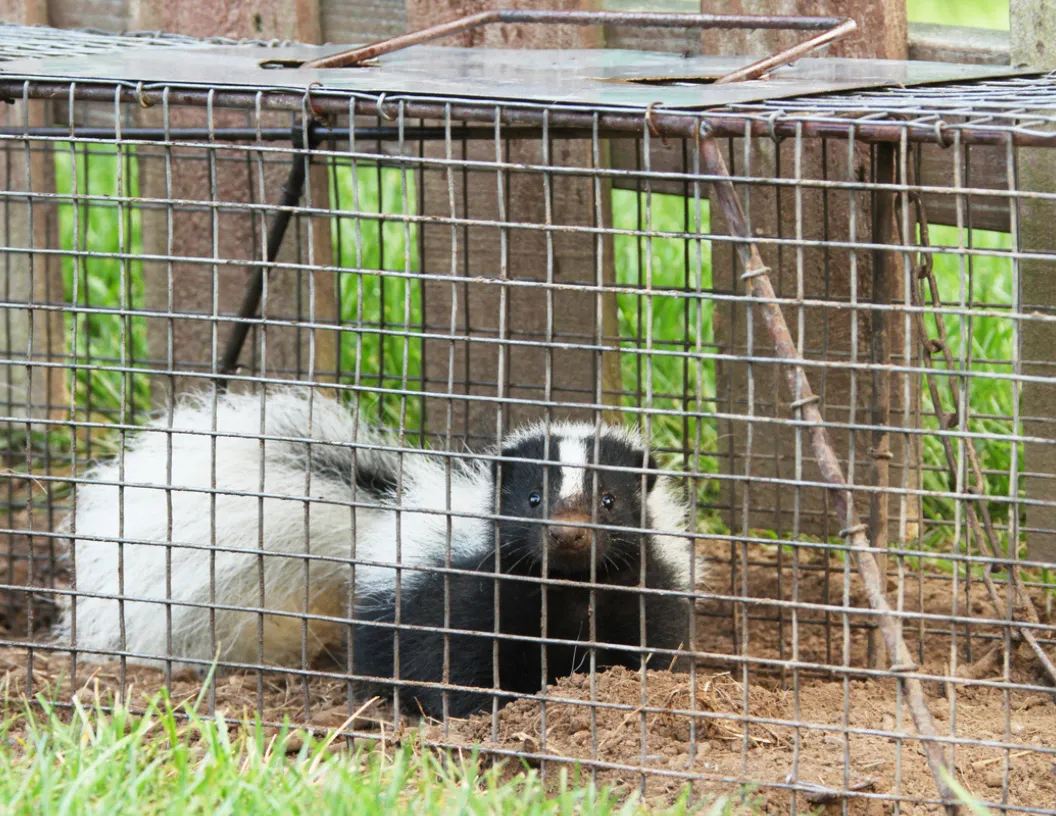
Skunks & Raccoons: A Recent Job in Southern Ontario & Some Homeowner Tips
By Jim, Owner, Petty Pest Control
What I Walked Into
April is when I start getting more calls about skunks and raccoons around Southern Ontario. It’s not usually something people notice all winter, but once things start warming up, activity picks up pretty quickly.
Earlier this month, I got a call from a homeowner who said they were hearing noise under their deck at night. The house was a two-storey home with a backyard deck and a small shed along the fence line. At first, they thought it might just be something passing through, but the noise kept happening around the same time every evening.
When I got there, the first thing I checked was under the deck. There was clear digging along the edge and a small opening that had been pushed out just enough for an animal to get in and out. That’s usually a sign something has started using the space regularly.
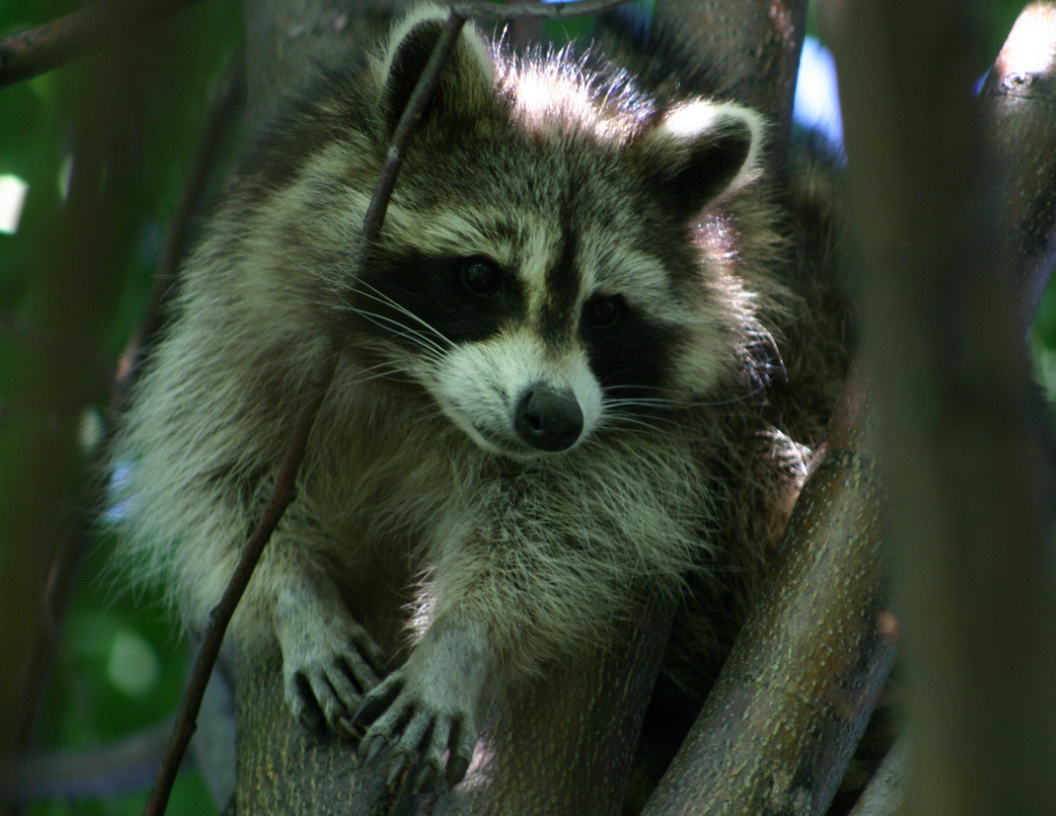
The Problem
When I arrived at the property, it was clear that something had already made itself comfortable under the deck. Skunks and raccoons don’t always cause obvious damage right away, but once they settle in, things can escalate pretty quickly. The soil along the edge of the deck had been pushed back from digging, and a small opening had formed, giving easy access underneath the structure. There were also clear signs of nesting, and a strong odor was beginning to build—especially in the evenings.
The main issue wasn’t just that the animal was present, but that it had started using the space as a shelter. That’s when problems tend to get worse. With skunks, there’s always the risk of spraying, which can create a lingering smell that’s tough to get rid of. Raccoons can be just as problematic, often becoming destructive if they try to push further into areas like sheds or even attics.
The homeowner was understandably concerned about the smell getting worse, the animal sticking around long-term, and the potential for damage if it moved deeper into the structure. Once animals like these get comfortable, they rarely leave on their own.
The Process
When I handle situations like this with skunks or raccoons, I always focus on two key things—making sure the animal is removed safely and making sure it can’t come back. I started with a full inspection of the property, checking under the deck and around the foundation, looking for any additional digging or secondary entry points, and inspecting nearby structures like the shed and fence line. From there, I was able to confirm the main access point the animal was using.
Once that was clear, the plan was straightforward. I installed a one-way door at the entry point, allowing the animal to leave on its own while preventing it from getting back inside. After monitoring the activity and confirming the animal was no longer under the deck, I properly sealed and reinforced the opening. I also added preventative measures around the deck perimeter to help stop any future digging.
I always take the time to explain that sealing the hole right away isn’t the right approach. If the animal is still inside, it will try to force its way out, which can lead to even more damage. The process has to be done in the right order to make sure the problem is fully resolved.
The Outcome
After I installed the one-way door, things started to change pretty quickly. Within the next few days, the nighttime activity completely stopped—the homeowner wasn’t hearing any more movement under the deck, no scratching or shifting, just quiet. The disturbed soil around the entry point also stayed exactly the same, with no new digging or signs that anything was trying to get back in.
Once the animal used the one-way door and exited, it didn’t return, which is always the goal—to solve the problem without creating another one. After that, I sealed and reinforced the opening, and the area held up well with no weak spots or new entry points forming nearby. I continued to keep an eye on things for a bit, and the activity stayed at zero.
The homeowner mentioned that the biggest difference was simply being able to enjoy the backyard again without worrying about it. There was no more noise at night, no smell building up, and no concern about what might be living under the deck. Once everything was handled properly and secured, the issue was fully resolved.
DIY Advice I Shared
Before I left, I walked them through a few simple things to stay on top of. Nothing complicated, but these small habits make a big difference when it comes to preventing the issue from happening again. I recommended checking around structures like decks, sheds, and porches regularly for any small gaps or openings, since even a tiny space can turn into an entry point over time. Keeping outdoor areas clean is also key—avoiding exposed garbage, food scraps, or compost helps eliminate easy food sources that attract wildlife.
I also suggested bringing pet food indoors at night, since leaving it outside is one of the quickest ways to draw animals in. Watching for early signs, like fresh digging along the edges of decks or foundations, can help catch a problem before it gets worse. Securing garbage bins properly is another big one—tight, fully closed lids make it much harder for raccoons to get inside.
They did a great job staying on top of these steps, especially keeping the area clean and keeping an eye out for digging, which helped prevent anything new from moving in.

Professional Insight
With wildlife like skunks and raccoons, timing and approach matter a lot.
Trying to block an opening without knowing if the animal is inside can make things worse. And if entry points aren’t properly secured, another animal will eventually find the same spot.
A proper inspection and removal process makes sure the problem is handled once, not repeatedly.
Closing Thoughts
April is when wildlife activity starts picking up again around Southern Ontario. Decks, sheds, and quiet areas around the home are common spots where animals try to settle in.
Most of these situations start small — a bit of digging, a small gap — but they can turn into a bigger issue if left alone.
If you’re noticing signs like digging, smells, or noise at night, it’s worth checking early before it turns into something harder to deal with.
– Jim

Schedule a Pest Inspection
Ready to schedule a pest inspection? Contact us today.

Have a question? Give us a call
We are happy to answer any questions you have :)
Hamilton & Southern Ontario
(289) 210-9557