
Ants - A Recent Job & Some Homeowner Tips
By Jim, Owner, Petty Pest Control
What I Walked Into
May is when ant calls really start picking up around Southwestern Ontario. It usually begins with people noticing a few here and there, but it doesn’t stay that way for long.
Earlier this month, I got a call from a homeowner who said they were seeing ants in their kitchen every morning. The house was a detached home with a finished basement and a small backyard. They mentioned it started with just a couple near the sink, but within a few days, there was a steady line forming along the counter.
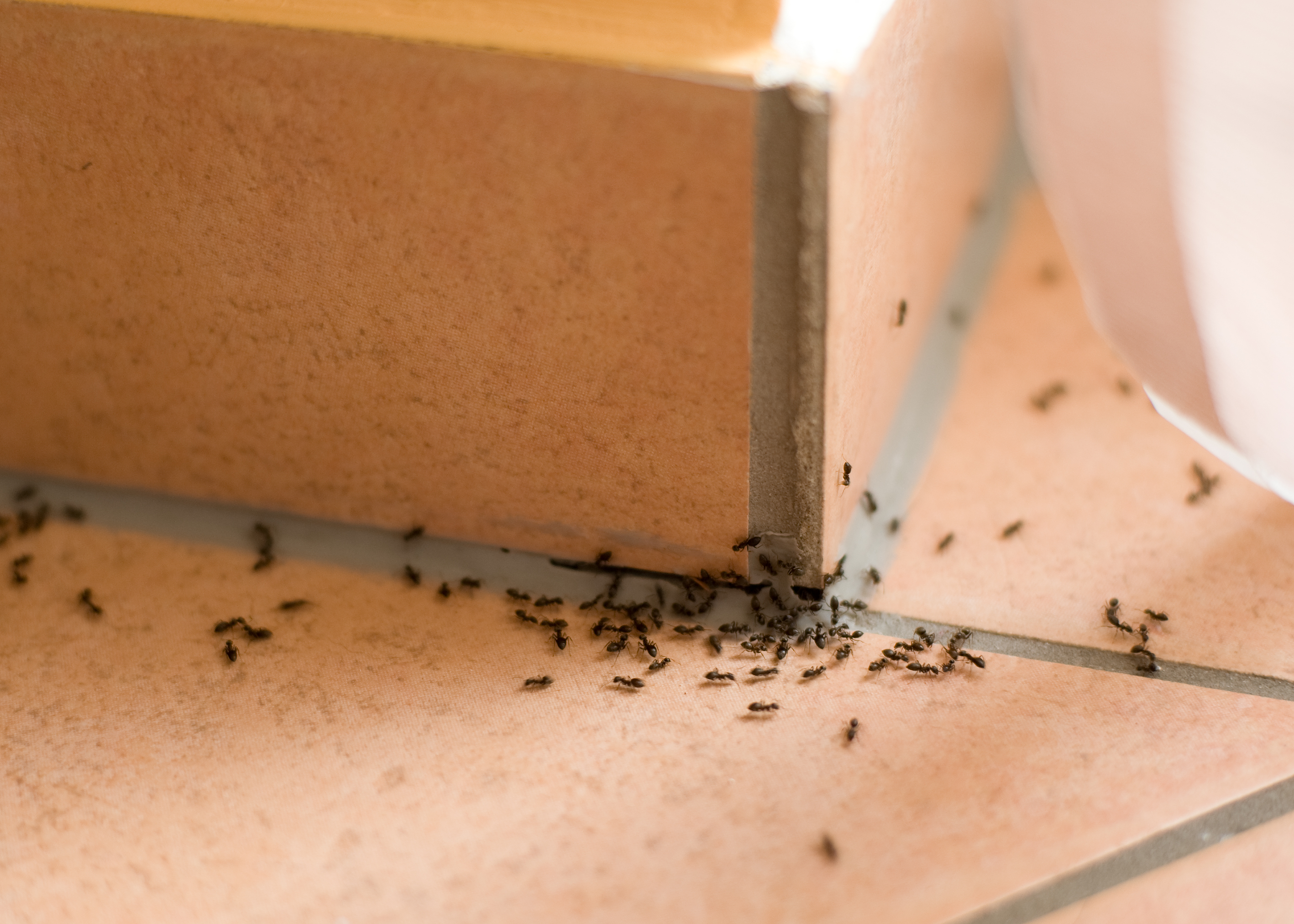
When I arrived, I didn’t have to look too hard. There was a clear trail running from the edge of the counter toward the sink area. Once you see that kind of pattern, you know it’s not random — something is drawing them in.
The Problem
I usually see that when ants start forming a trail, it means they’ve already found what they’re looking for.
In this home, a few things stood out right away. There was a steady line of ants following the same path every day, mostly around the sink and along the edges of the countertop. I also found a small gap near the window trim that was giving them a clear way in. On top of that, a few ants had started showing up in the pantry near some dry food items, which told me they were getting comfortable moving further into the space.
The homeowner had already been trying to stay on top of it. They were cleaning the area multiple times a day, wiping down counters, using sprays, and even trying some store-bought products. It would seem like it helped at first, but by the next morning, the ants were right back in the same spot.
That’s usually the frustrating part. Ants leave a scent trail behind, and if that’s not handled properly, the next group just follows it straight back in.
The concerns were pretty typical. Ants getting into food, the possibility of it spreading to other areas of the house, and not really knowing where they were coming from. Once ants lock onto a food and water source, they don’t just stop on their own.
The Process
With ants, I always focus on two things: where they’re getting in and what’s keeping them coming back inside.
We started with a full inspection of the home to get a clear picture of what was going on. I checked around window frames and trim for small gaps, along door edges and baseboards for openings, and then moved outside to look at the foundation for any cracks or access points. Inside, I looked under the sink for moisture or small leaks and checked pantry and storage areas for any exposed food.
In this case, there was a small opening near the window trim that gave them a way in, and the sink area was providing a steady source of moisture. That combination is usually enough to keep ants coming back.
From there, I kept the plan simple and targeted. I treated along the ant trail and the areas where activity was highest, then worked on the exterior foundation near the entry point. I sealed the gap by the window trim and talked with the homeowner about keeping the sink area dry and clean moving forward.
I always explain that the goal isn’t just to get rid of the ants you see. It’s to break the pattern so they stop coming back.
The Outcome
Once I had the treatment in place, things started to improve pretty quickly. It didn’t take long before everything began to settle down.
The biggest change I noticed was that the trail just stopped showing up. That line of ants that had been there every morning was gone, and nothing new started forming in other areas.
I also saw that the kitchen stayed clear. The spots that used to have the most activity, like around the sink and along the counter, didn’t have ants coming back, even during the times they were most active before.
I checked in on the pantry as well, and there were no more ants getting into the food areas. That made a big difference for the homeowner.
After sealing the gap near the window, I didn’t see any new signs of ants coming in from there. Everything stayed quiet in that area, which confirmed we had the right entry point.
Once the activity stopped and didn’t come back, I could tell the kitchen felt normal again for them.
DIY Advice
Before I left, I went over a few simple things they could stay on top of. These are small habits, but they make a big difference over time.
I suggested storing food properly, especially things like sugar, flour, and other dry goods, by keeping them in sealed containers. Open packaging makes it easy for ants to get in. I also mentioned using the right cleaning products, not just to remove crumbs, but to break down the scent trails ants leave behind.
Keeping moisture under control is another big one. I told them to wipe down the sink area and avoid leaving any standing water overnight. I also recommended checking around windows, doors, and trim for small gaps where ants could be getting in.
Most importantly, I explained that staying consistent with these habits is what really helps. Even if ants aren’t visible, keeping up with these steps can prevent them from coming back.
They followed through on this, especially with sealing food and keeping the sink area dry, and it helped keep everything stable after the service.
Professional Insight
Ant problems are often underestimated at the start.
A few ants usually means there’s a larger group nearby. Basic cleaning can help reduce activity, but if there’s a consistent trail, it usually means there’s a colony behind it.
The challenge is that most over-the-counter products deal with the surface, not the source. That’s why the problem seems to disappear and then come right back.
A proper inspection helps identify where they’re coming from and what’s keeping them there. Once those two things are addressed, the problem usually doesn’t return.
Closing Thoughts
May is when ant activity really starts to build around Southwestern Ontario homes. It usually begins with something small — a few ants near the sink or window — but it can turn into a regular issue if it’s ignored.
The earlier it’s handled, the easier it is to control.
If you’re seeing the same kind of activity around your home, it’s worth taking a closer look before it turns into something ongoing.
– Jim
