

We're Here to Assist You
Roach Prevention: A Recent Job & Some Homeowner Tips
Category: Holiday
Publish Date: September 01, 2026
By Jim, Owner, Petty Pest Control
What We Walked Into
September is a time when I start getting more calls about cockroaches around Southwestern Ontario. As the weather begins changing, roaches that have already found food, moisture, and shelter inside a home can become much more noticeable.
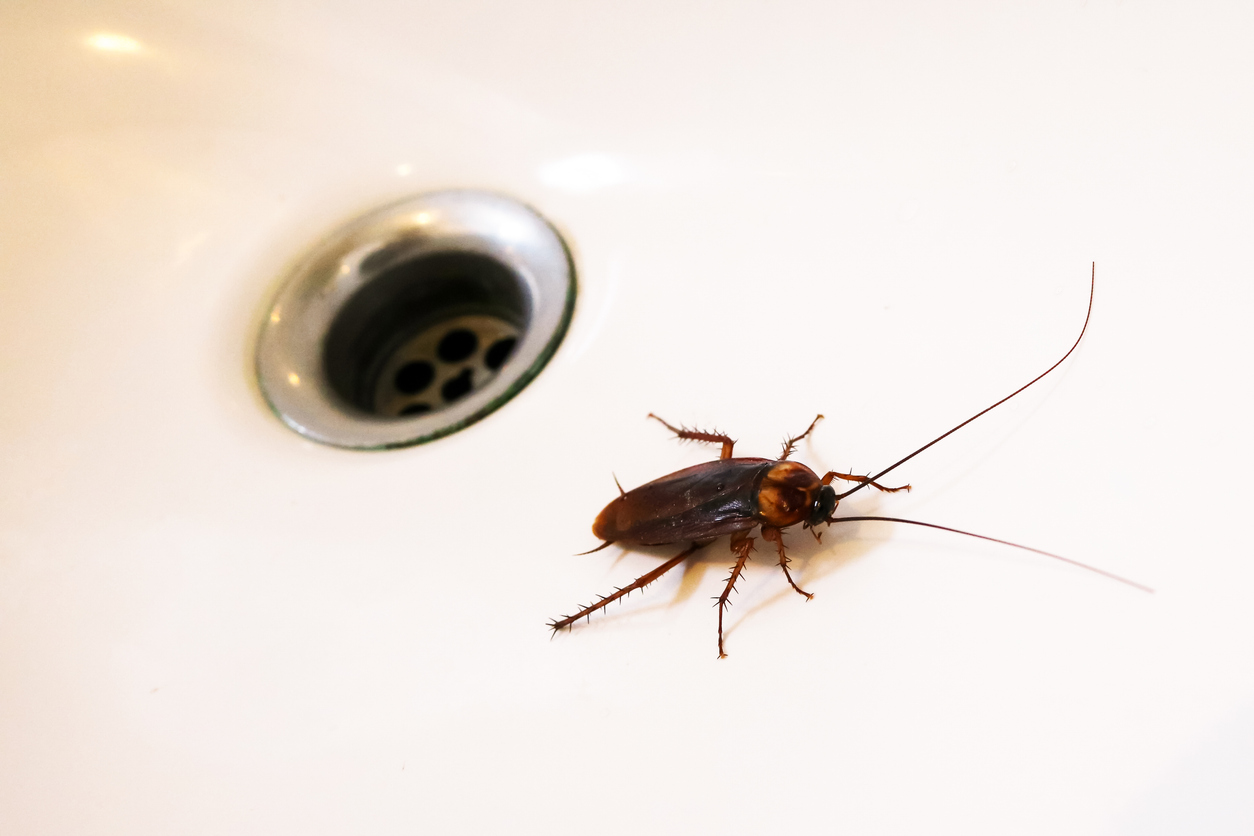
Earlier this month, I got a call from a homeowner who had started seeing small roaches in the kitchen. At first, they only noticed one late at night near the sink.
When I arrived, I started with the kitchen because that was where most of the sightings had happened. I checked around the sink, underneath the cabinets, behind the stove and refrigerator, and around plumbing lines.
The homeowner had caught the problem fairly early, but there was enough activity that it needed to be dealt with properly.

The Problem
One thing I always explain to homeowners is that cockroaches don't only show up in dirty homes.
A clean house can still have a roach problem if they have access to moisture, food, warmth, and somewhere to hide. Small crumbs behind an appliance, grease around a stove, condensation near plumbing, or a slow leak underneath a sink can be enough to support activity.
In this home, most of the signs were concentrated around the kitchen.
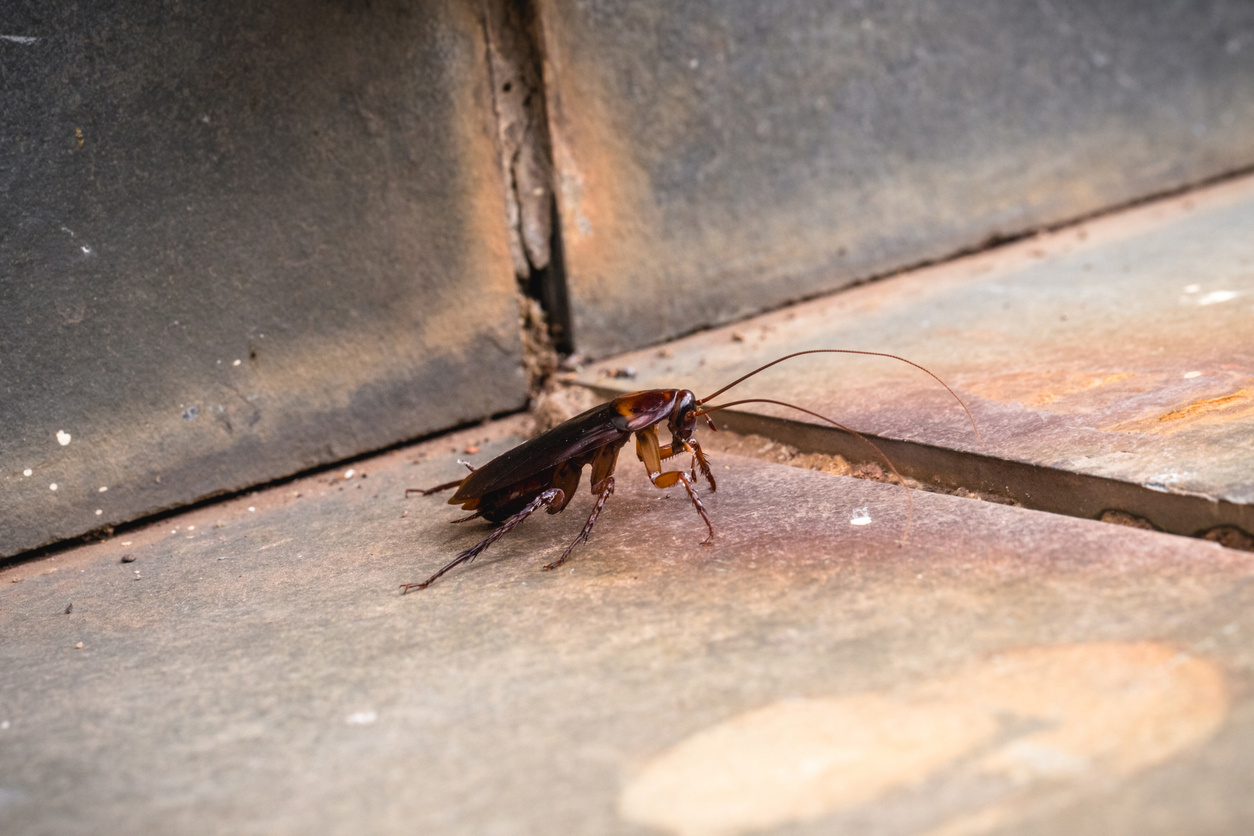
There were droppings behind the refrigerator and along the edge of one lower cabinet. Underneath the sink, I found a small amount of moisture around one of the plumbing connections. It wasn't a major leak, but the area stayed damp enough to provide a reliable water source.
There was also a narrow opening around a pipe underneath the cabinet that gave roaches another protected area to move through.
The roaches people see are often only part of the activity. They spend much of their time hidden in cracks, behind appliances, underneath cabinets, and around plumbing. Simply spraying the ones that come out doesn't necessarily reach the areas where the rest are hiding.
The homeowner was mainly concerned about the kitchen. They didn't want roaches getting into food, dishes, cupboards, or pantry items, and they were worried the activity could spread into other areas of the house.
Catching the problem at this stage made it much easier to get ahead of it.
The Process
With cockroach control, I don't like being treated randomly. I want to know where the activity is strongest, what is supporting it, and where the roaches are likely hiding.
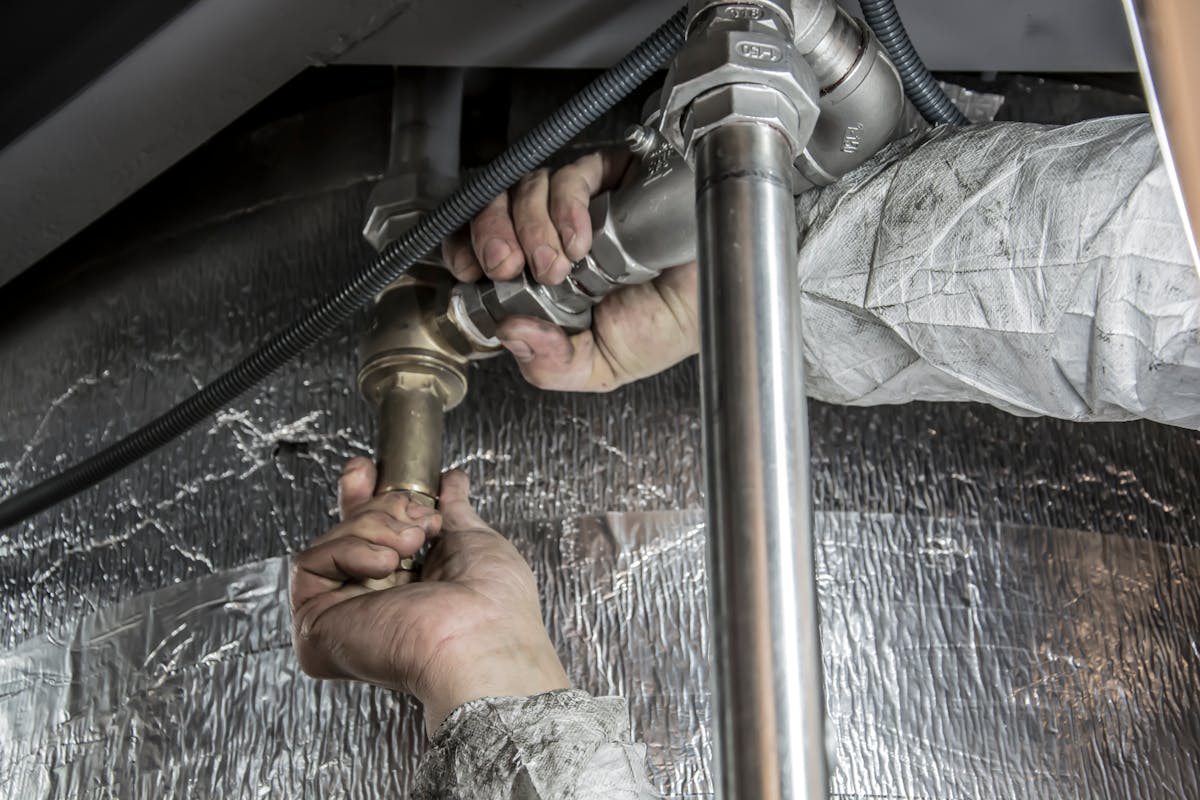
I started with a detailed inspection of the kitchen and nearby areas. I checked behind and underneath the refrigerator and stove, around lower cabinets, underneath the sink, along baseboards, around plumbing openings, and inside the pantry.
Most of the activity in this case was still concentrated in the kitchen, particularly behind the refrigerator and around the sink cabinet.
Once I understood where they were moving, I set up a targeted treatment plan.
I focused treatment on the areas where roaches were actually hiding and traveling rather than applying products throughout the entire room unnecessarily. We paid particular attention to cracks, cabinet edges, appliance areas, and the spaces around plumbing where activity had been found.
The opening around the pipe was another area we addressed. Once the active problem was under control, that gap could be properly sealed to reduce the number of hidden spaces available around the cabinet.
Roach control works much better when treatment and basic changes around the home are handled together.

The Outcome
The homeowner started noticing a difference during the first several days after treatment.
At first, there was still some activity, which isn't unusual. When hidden areas are treated properly, roaches that have been staying out of sight can sometimes become more noticeable before the overall activity begins dropping.
After that initial period, the sightings became much less frequent.
The kitchen sink area stayed clear, and the homeowner stopped finding roaches around the stove and refrigerator at night. There were also no new signs showing up in the pantry or nearby rooms.
Getting the moisture issue underneath the sink corrected also made an important difference. Once that reliable water source was gone, the area became much less suitable for roaches.
That's usually a good indication that things are getting back to normal. The homeowner wasn't thinking about roaches every time they walked into the kitchen, and the areas that had caused the original concern stayed clear.
"It's brighter than before!"
— Megan
DIY Advice
Before I left, I went over a few practical things the homeowner could stay consistent with to make the kitchen less attractive to roaches:
1. Wipe up standing water around the kitchen sink and countertops before going to bed. Small amounts of moisture can be enough to keep roaches around.
2. Check underneath sinks and around plumbing connections for slow drips or damp areas. Even a minor leak can provide a steady water source.
3. Keep cereal, flour, sugar, rice, snacks, and pet food in containers with tight-fitting lids instead of leaving them in open bags or cardboard packaging.
4. Crumbs, grease, and food residue can collect behind refrigerators, stoves, and other appliances without being noticed.
5. Take kitchen trash out frequently, especially when it contains food waste, and clean the inside of the bin if spills or residue start building up.
6. Food and drink residue left inside cans, bottles, and containers can give roaches another food source.
The homeowner stayed consistent with these steps after the treatment, especially keeping the sink area dry, storing food properly, and cleaning around the appliances.
Professional Insight
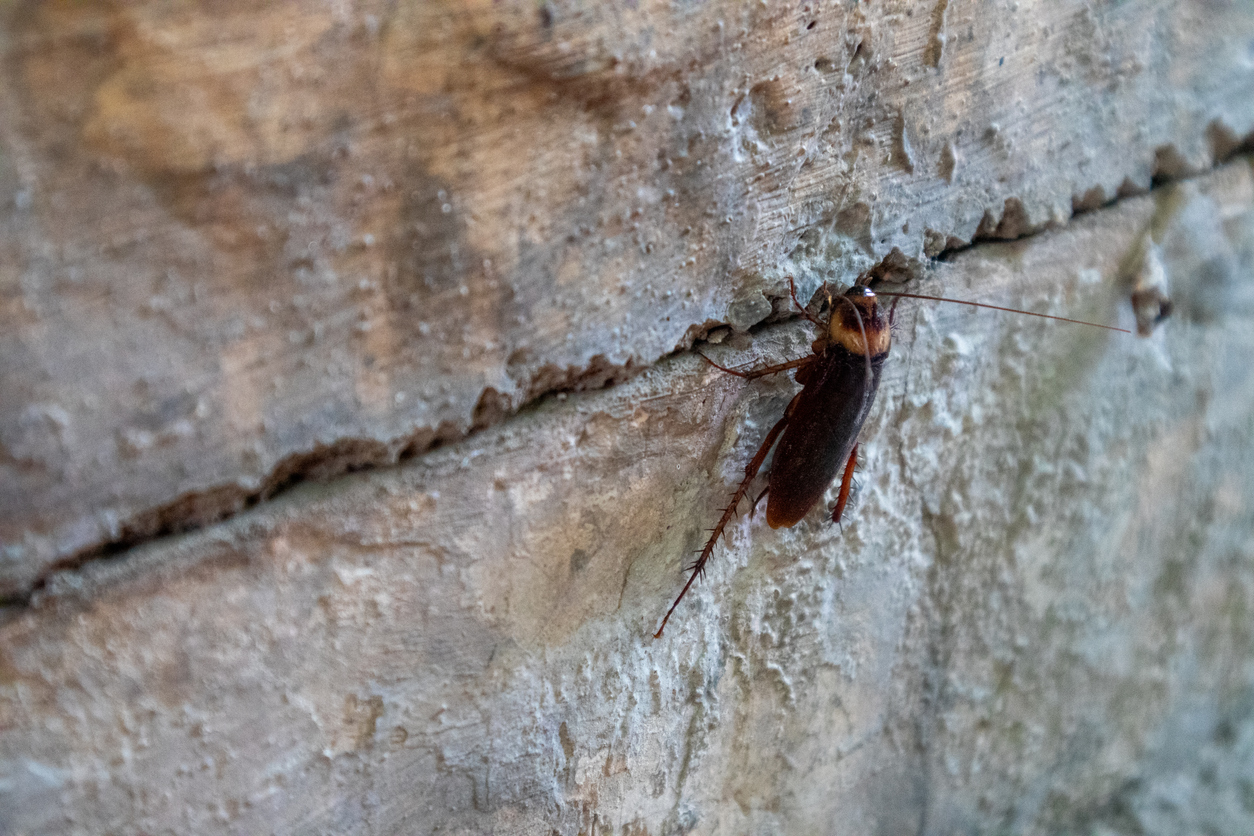
Cockroaches are one of those pests where seeing only one or two doesn't always tell you how much activity is actually present.
They're naturally good at staying hidden. During the day, they may be tucked behind appliances, underneath cabinets, inside cracks, or around plumbing. A lot of their movement happens when the home is quiet.
That's why repeatedly spraying the roaches you see often doesn't solve the entire problem. You're dealing with the visible activity without necessarily reaching the hiding areas.
A proper inspection helps put those pieces together.
It also helps identify the conditions that may be keeping the problem going. Sometimes that's a small plumbing leak. Sometimes it's food debris behind an appliance. Other times there are gaps or hidden spaces that haven't been noticed.
The sooner those things are identified, the easier it usually is to prevent a smaller roach problem from becoming established throughout the home.
Closing Thoughts
September is a good time for homeowners around Southwestern Ontario to pay attention to cockroach activity, especially in kitchens, bathrooms, basements, and other areas where food and moisture are available.
Those early signs are worth paying attention to.
Keeping kitchens clean, correcting moisture problems, storing food properly, and checking the areas behind appliances can all help with prevention.
If you continue seeing roaches after cleaning or they're regularly appearing in the same areas, it's worth having the situation checked before they have more time to spread.
— Jim

Address
194 Braithwaite Ave, Hamilton, ON L9G 5A3, Canada
Contact Us
Call: 778-601-3577
© 2026 Petty Pest Control. All rights reserved.